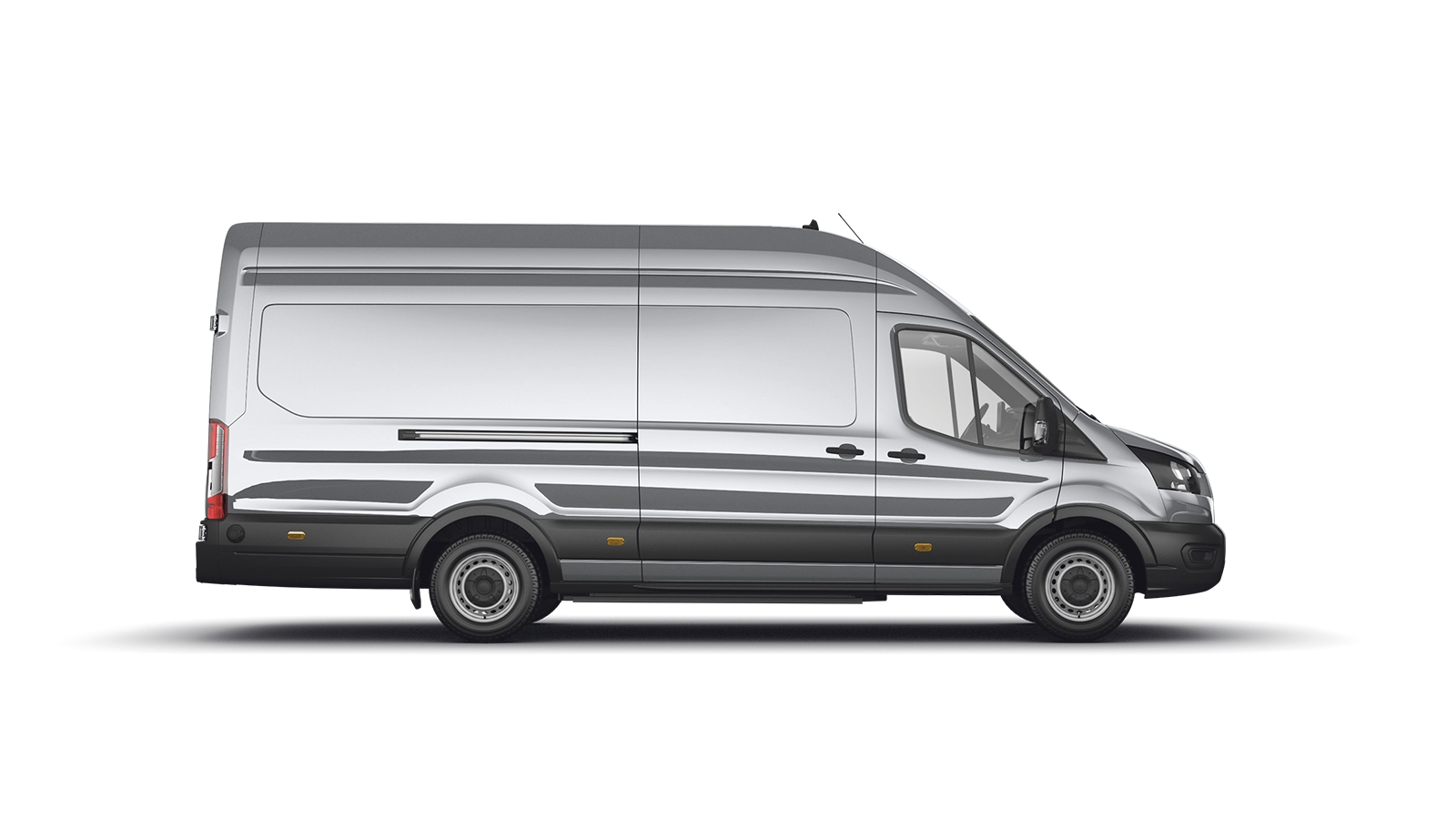
Takograf süreyi ölçer.Peki sürücünün yorgunluğunu kim ölçüyor? The tachograph measures time.So who measures the driver's fatigue?
Mevzuat nettir: 4,5 saat kesintisiz sürüşten sonra 45 dakika mola, günde en çok 9 saat sürüş, en az 11 saat dinlenme. Takograf bunların hepsini saniyesine kadar kayda geçer. Ama kaydettiği şey saattir, insan değil. Aynı 9 saati süren iki sürücü aynı yorgunlukta olmaz — ve bu farkı operasyonun günlük akışında, standart ve sürekli bir ölçüm olarak gösteren yaygın bir araç yok. The rules are explicit: 45 minutes' break after 4.5 hours of continuous driving, at most 9 hours of daily driving, at least 11 hours of rest. The tachograph records every second of it. But what it records is time, not the human. Two drivers completing the same 9 hours are not equally fatigued — and no widely used tool surfaces that difference as a standard, continuous measurement inside daily operations.
Elinizdeki cihaz yeterli. Başka hiçbir şey gerekmiyor.The device in your hand is enough. Nothing else is required.
Sadece standart bir bilgisayar, tablet ya da telefon kamerasıyla, 30 saniyede anlamlı iş güvenliği göstergeleri. Özel kamera, sensör, bileklik ya da gözlük yok; satın alınacak, kurulacak, kalibre edilecek bir donanım yok.With nothing but a standard computer, tablet or phone camera, meaningful occupational-safety indicators in 30 seconds. No special camera, sensor, wristband or eyewear; no hardware to purchase, install or calibrate.
Karayolunda yorgunluk, ikincil bir risk değil — başlıca nedenlerden biri.On the road, fatigue is not a secondary risk — it is a leading cause.
Sektör, teslimat süresini dakikasına, aracı sensörüne, yakıtı litresine kadar ölçüyor. Ölçmediği tek şey, o aracı kullanan kişinin direksiyona geçtiği andaki durumu.The industry measures delivery time to the minute, the vehicle to the sensor, fuel to the litre. The only thing it does not measure is the state of the person behind the wheel at the moment they set off.
Kurallara tam uyan bir sefer de yorgun başlayabilirA trip fully compliant with the rules can still begin fatigued
Sürüş ve dinlenme kuralları, sürücünün ne kadar süre direksiyonda kaldığını sınırlar. Ama o 11 saatlik dinlenme süresinin gerçekten uykuyla geçip geçmediğini, sürücünün bir önceki gece kaç saat uyuduğunu, sağlık durumunu ya da sirkadiyen ritminin nerede olduğunu hiçbir kayıt göstermez.Driving and rest rules limit how long a driver stays at the wheel. But no record shows whether those 11 hours of rest were actually spent sleeping, how many hours the driver slept the night before, their health status, or where their circadian rhythm sits.
Kritik nokta şu: takograf uyumlu olmak, dinlenmiş olmak demek değildir. Sistem "uygun" der, insan uygun olmayabilir. Bugün bu farkı yakalayan tek şey sürücünün kendi beyanıdır — ve teslimat baskısı altında bu beyanın ne kadar güvenilir olduğu ayrı bir sorudur.Here is the critical point: being tachograph-compliant is not the same as being rested. The system says "fit"; the human may not be. Today the only thing capturing that difference is the driver's own statement — and how reliable that statement is under delivery pressure is a separate question.
Yorgunluk, kurallara uyulduğu hâlde gerçekleşebilir. Çünkü kural süreyi ölçer, insanı değil.Fatigue can occur even when the rules are followed. Because a rule measures time, not the human.
Riski taşıyan tek kişi sürücü değil. Zincirin her halkasında bir insan var.The driver is not the only one carrying the risk. Every link in the chain is a person.
Bir lojistik operasyonu yalnızca yoldan ibaret değil: forklift ve istif operatörleri, yükleme-boşaltma ekipleri, dağıtım kuryeleri, aktarma merkezi vardiyaları ve ekran başında çalışan operasyon-planlama birimleri. Her birinin risk profili farklı, ortak noktası aynı: hepsi vardiyalı ve hepsi yorgunluğa açık.A logistics operation is not only the road: forklift and stacker operators, loading crews, last-mile couriers, hub shifts, and screen-based planning and operations teams. Each carries a different risk profile with one thing in common: all work shifts, and all are exposed to fatigue.
OculaWork, kaza sayısını düşürdüğünü veya bir seferin güvenli olduğunu iddia etmez — böyle bir kanıt yoktur ve olduğunu söylemek yanlış olur. Sürücüyü yola çıkmaktan alıkoyan bir cihaz da değildir. İddiamız daha dar ve daha somut: bugün yalnızca beyana dayanan bir boyutu ölçülebilir ve kayıtlı hâle getiriyoruz. O sinyalle ne yapılacağı — ek mola, görev değişimi, hekime yönlendirme — işletmenin kararıdır.OculaWork does not claim to reduce crash counts or to certify a trip as safe — no such evidence exists, and saying otherwise would be wrong. Nor is it a device that stops a driver from departing. Our claim is narrower and more concrete: we make measurable and recorded a dimension that today rests on self-report alone. What is done with that signal — an added break, a swap, a referral to the physician — is the operator's decision.
Aracın her sistemi sefer öncesi kontrol edilir. Sıra o aracı kullanan insanda.Every system on the vehicle is checked before departure. The person driving it is what remains.
Kural zaten var. Ölçüm aracı yok.The rule already exists. The measurement tool does not.
Karayolu taşımacılığı, yorgunluğu ciddiye alan ender sektörlerden biri — kurallar ayrıntılı ve denetimi elektronik. Sorun kuralların eksikliği değil; kuralların koruduğu şeyin, yani uyanıklığın, hiç ölçülmemesi.Road transport is one of the few sectors that takes fatigue seriously — the rules are detailed and enforcement is electronic. The problem isn't missing rules; it's that the thing those rules protect — alertness — is never measured.
Sürüş ve dinlenme süreleriDriving & rest times
Bağlayıcı sınırlar: 4,5 saat kesintisiz sürüşün ardından en az 45 dakika mola; günlük sürüş en çok 9 saat (haftada iki kez 10 saate çıkabilir); günlük dinlenme en az 11 saat. Takograf, 3,5 ton üzeri ticari araçlarda zorunludur ve tüm bunları kayda geçer.Binding limits: at least 45 minutes of break after 4.5 hours of continuous driving; daily driving of at most 9 hours (extendable to 10 twice a week); daily rest of at least 11 hours. The tachograph is mandatory on commercial vehicles over 3.5 tonnes and records all of it.
Ekranlı Araçlar YönetmeliğiScreen-Based Work Regulation
Ekranlı araçlarla çalışanlar için işe başlamadan önce, düzenli aralıklarla ve şikâyet hâlinde göz ve görme muayenesi zorunludur; maliyeti işverene aittir. Bu bir tavsiye değil, yaptırımı olan bir yükümlülüktür.For screen workers, eye and vision examination is mandatory before starting work, at regular intervals, and upon complaint; the cost falls on the employer. This is not a recommendation but an enforceable obligation.
6331 sayılı İSG KanunuOHS Law No. 6331
İşveren, çalışanların sağlığını risk değerlendirmesiyle korumak ve sağlık gözetimini sürdürmekle yükümlüdür. Risk değerlendirmesi ölçülebilir veri ister; yorgunluk ise bugün bu değerlendirmeye sayısal olarak girmiyor. Binlerce sürücü ve depo çalışanına yayılmış bir operasyonda ölçülemeyen insan riski, operasyonel bir yönetim problemidir.The employer must protect worker health through risk assessment and maintain health surveillance. Risk assessment requires measurable data; fatigue does not enter that assessment numerically today. Across thousands of drivers and warehouse staff, unmeasured human risk is an operational management problem.
Bir kuralın sürüş süresini sınırlaması, sürücünün dinlenmiş olduğu anlamına gelmiyor.A rule capping driving hours does not mean the driver is rested.
Takograf kaydı, uyanıklık kaydı değildir.A tachograph record is not an alertness record.
Aynı seferi yapan iki sürücü aynı yorgunlukta olmaz. Uykusuzluk, bir önceki gecenin uyku kalitesi, sirkadiyen ritim, teslimat baskısı, sağlık durumu, kullanılan ilaç, yol ve hava koşulları — hiçbiri yılda bir doldurulan formda görünmez. Bugün bu farkı operasyonun akışında düzenli olarak yakalayan yaygın bir araç yok; pratikte geriye kişinin kendi beyanı kalıyor.Two drivers running the same trip are not equally fatigued. Sleep debt, the quality of last night’s sleep, circadian rhythm, delivery pressure, health status, medication, road and weather conditions — none of these appear on a form filled once a year. No widely used tool captures that difference routinely within operations; in practice what remains is the person's own statement.
"Yola çıkabilir misin?" — "İyiyim.""Are you fit to drive?" — "I'm fine."
Ne var, ne yok?What exists, what doesn't?
Aşağıdaki tablo herhangi bir firmayı değil, sektörün bugünkü araç setini tarif eder.The table below describes the industry’s current toolset — not any particular company.
Ek donanım gerektirmeden, objektif yorgunluk sinyalini kurumsal iş akışına taşıyoruz.With no additional hardware, we bring an objective fatigue signal into the enterprise workflow.
OculaWork, İSG'den başlayan ancak veriyi operasyonel risk yönetimine taşıyan bir çalışan karar destek katmanıdır.OculaWork is an employee decision-support layer that begins in occupational health & safety but carries the data through to operational risk management.
Her sürücünün ve her depo çalışanının cebinde zaten bir kamera var. OculaWork o kamerayla günlük 30 saniyelik bir ölçüm yapar — yılda bir değil, her gün. Asıl değer tek bir ölçümde değil, ölçümlerin birikmesinde: gün gün büyüyen bu veri, kişinin kendi temel çizgisini, filo ve depo bazında eğilimleri, hangi hatta ve hangi saatte yorgunluğun tırmandığını görünür kılar. Takografın ya da hekimin yerine geçmez; ikisinin de üretemediği insan boyutunu ekler. Çalışan tarafında ek donanım, kurulum ya da cihaz envanteri yoktur.Every driver and every warehouse worker already carries a camera in their pocket. With it, OculaWork takes a 30-second measurement every day — not once a year, but daily. The value is not in any single scan but in how they accumulate: data growing day by day reveals each person's own baseline, trends by fleet and site, and which routes and which hours fatigue climbs in. It replaces neither the tachograph nor the physician; it adds the human dimension neither can produce. On the employee side there is no extra hardware, no install and no device inventory.
Ham görüntü cihazdan çıkmazRaw video never leaves the device
Analiz tarayıcıda, cihaz üzerinde yapılır. Sunucuya giden şey görüntü değil, sayısal bir sinyaldir. Sürücü kamerayla sürekli izlenmiyor: günde bir kez, 30 saniye, ve görüntü cihazdan hiç çıkmıyor. Bu, sürücü kabul oranı açısından belirleyici bir farktır: bu bir vaat değil, mimarinin kendisidir.Analysis runs in the browser, on the device. What reaches the server is a numeric signal, not imagery. The driver is not under continuous camera surveillance: once a day, 30 seconds, and the video never leaves the device. For driver acceptance this is the decisive difference: it isn't a promise — it's the architecture.
Veri sizin altyapınızda — isterseniz kendi sunucunuzdaData stays on your infrastructure — on your own server if you wish
İki kurulum modeli var; ikisinde de çalışan verisi firmanın kendi altyapısında kalır. Self-host modunda veri firmanın kendi bulut projesinde tutulur — karşılığı bir kerelik kurulumdur: sizin tarafınızda rehber eşliğinde 5 adım, yaklaşık 20 dakika; devamını biz yaparız, sonrasında güncellemeler otomatiktir. Kurumsal modda ise Platform baştan sona firmanın kendi sunucusunda çalışır. Günlük değerlendirme — risk seviyesi, eşikler, anomali — orada yapılır ve bunun için bize bağlantı gerekmez; bireysel çalışan verisi ağınızın dışına çıkmaz. Sektörel karşılaştırma katmanı bizde kalır ve yalnızca en az 50 ölçümden türetilmiş, kimliksiz toplulaştırma ile çalışır — bu kanal varsayılan olarak kapalıdır, kapalıyken de günlük değerlendirme aynen sürer.There are two deployment models; in both, employee data stays on the company's own infrastructure. In self-host mode the data is held in the company's own cloud project — the trade-off is a one-time setup: five guided steps on your side, roughly 20 minutes; we handle the rest, and updates are automatic from then on. In enterprise mode the Platform runs end-to-end on the company's own server. Day-to-day evaluation — risk level, thresholds, anomalies — happens there and needs no connection to us; individual employee data never leaves your network. The sector-comparison layer stays with us and works only on identity-free aggregates derived from at least 50 measurements — that channel is off by default, and day-to-day evaluation continues unchanged when it is off.
Yol, depo ve ofis — tek kayıttaRoad, warehouse and office — one record
Uzun yol sürücüsünden depo operatörüne, kuryeden planlama masasına kadar aynı ölçüm ve aynı kayıt formatı. Aynı 30 saniyelik tarama, yolda sefer öncesi risk sinyali, ofiste göz yorgunluğu sinyali olarak okunur — tek platform, tek çalışan kaydı.From the long-haul driver to the warehouse operator, from the courier to the planning desk: the same measurement and the same record format. The same 30-second scan reads as a pre-trip risk signal on the road and an eye-fatigue signal in the office — one platform, one employee record.
30 saniyede ne elde ediyorsunuz?What do you get in 30 seconds?
Her taramadan çıkan sonuç: sayısal bir yorgunluk skoru, dikkat yüzdesi, İSG kategorisi ve kişinin kendi geçmişine göre trend çizgisi. Beyan değil — kayıtlı ölçüm. Günler biriktikçe tek bir fotoğraf olmaktan çıkıp eğilim hâline gelir; asıl çıkarımlar burada başlar.Each scan returns a numeric fatigue score, attention percentage, an OHS category, and a trend line against the person's own history. Not a declaration — a recorded measurement. As the days accumulate it stops being a snapshot and becomes a trend; that is where the real inferences begin.
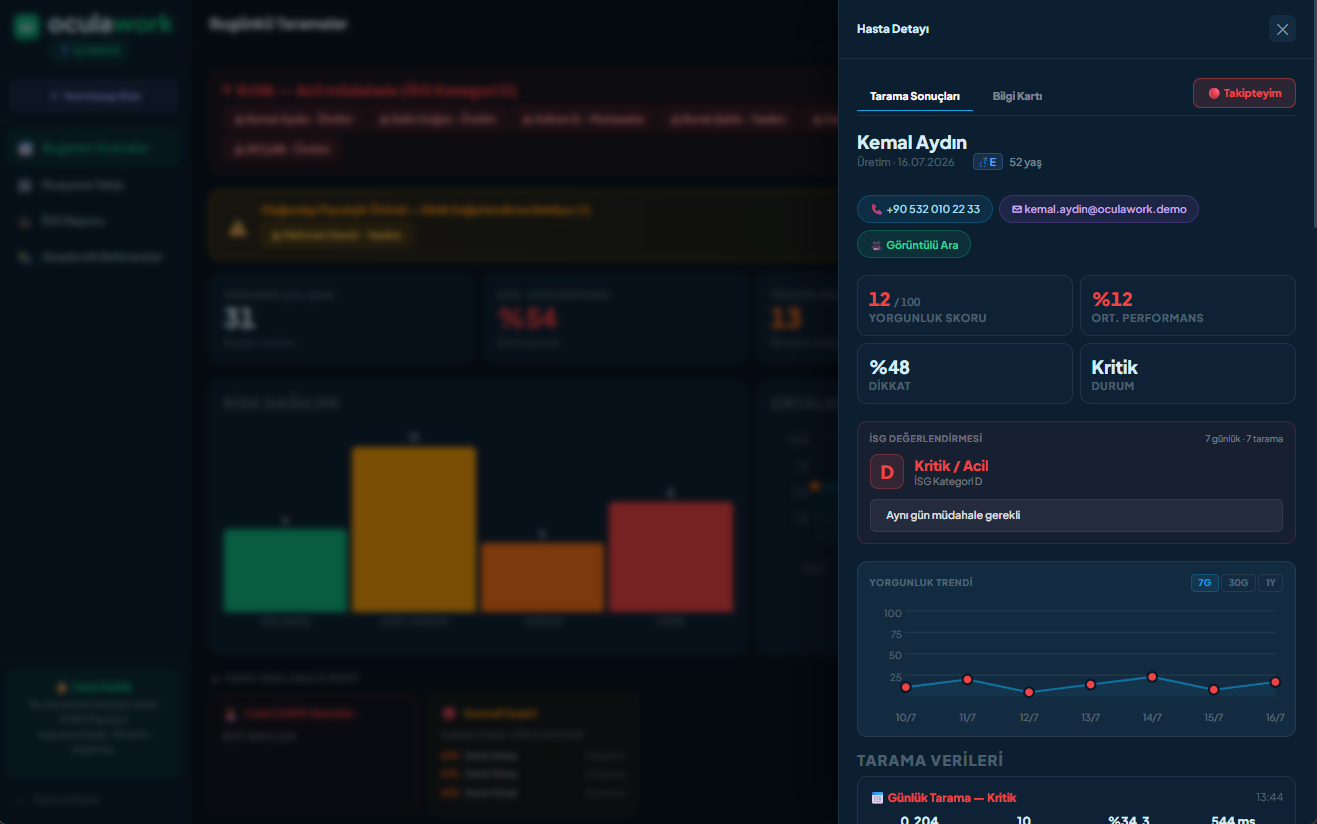
OculaWork karar destek sistemidir, karar verici değildir. Tıbbi teşhis koymaz ve Ekranlı Araçlar Yönetmeliği'nin gerektirdiği hekim muayenesinin yerine geçmez. Ürettiği şey, iki muayene arasında kalan uzun boşlukta objektif ve kayıtlı bir sinyaldir — nihai karar her zaman yetkili insandadır.OculaWork is a decision-support system, not a decision-maker. It does not make medical diagnoses and does not replace the physician examination required by the Screen-Based Work Regulation. What it produces is an objective, recorded signal across the long gap between two examinations — the final decision always rests with the authorised human.
OculaWork yalnızca bir ölçüm aracı değil.OculaWork is not only a measurement tool.
30 saniyelik ölçüm giriş noktasıdır. Arkasında İSG, İK ve operasyon ekiplerinin kullanabileceği kurumsal iş akışları bulunur. Aşağıdakiler tanıtım vaadi değil, platformda bugün çalışan modüller — hepsi değil, filo, depo ve operasyon merkezini doğrudan ilgilendirenler. Hepsi aynı çerçevenin içinde durur: İSG'de üretilen veri, yönetim kararına taşınır.The 30-second measurement is the entry point. Behind it sit enterprise workflows for OHS, HR and operations teams. What follows are not roadmap promises but modules running in the platform today — not all of them, only those that bear directly on the fleet, the warehouse and the operations centre. All sit inside the same frame: data produced in OHS is carried through to management decisions.
OculaLearn — İSG eğitimiOculaLearn — OHS training
Sürücü ve depo tarafındaki personel devri yüksektir; her yeni çalışanın yasal İSG eğitimi ayrı bir uyum yüküdür. OculaLearn bunu otomatikleştirir: konular sırayla açılır ve atlanamaz, geçme notu 60/100 ve en fazla 2 deneme, her giriş-çıkış zaman damgasıyla loglanır. Denetimde istenen kayıt hazır durur.Turnover among drivers and warehouse staff is high, and every new hire brings a fresh statutory OHS training obligation. OculaLearn automates it: topics unlock in order and cannot be skipped, the pass mark is 60/100 with at most 2 attempts, and every entry and exit is timestamped. The record an inspection asks for is already there.
Muayene otomasyonuExamination automation
Sağlık gözetiminde aksama çoğunlukla ihmalden değil, sürücüsü sürekli yolda olan, elle takip edilen bir takvimden doğar. Sistem kimin muayenesinin geldiğini, kimin geciktiğini ve kimin tamamladığını kurum genelinde tek ekranda tutar — denetim anında raporu hazır.Gaps in health surveillance usually stem not from neglect but from a hand-tracked calendar for people who are constantly on the road. The system keeps who is due, who is overdue and who has completed, organisation-wide, on one screen — with the report ready at inspection.
Bağlılık değişim radarıEngagement change radar
Tükenmişlik çoğu zaman istifa kararından çok önce sinyal vermeye başlar. Radar, bağlılık göstergelerindeki yön değişimini departman düzeyinde yakalar — kişiyi teşhir etmeden, k-anonimlik eşiğinin altında hiçbir kırılım gösterilmez.Burnout usually starts signalling well before a decision to resign. The radar catches directional shifts in engagement indicators at department level — without exposing individuals; no breakdown is shown below the k-anonymity threshold.
Verimlilik haritasıProductivity map
Verimlilik kaybının nerede yoğunlaştığını hat, filo ve depo kırılımında gösterir. Lojistikte performans zaten dakikasına kadar ölçülüyor; buradaki fark, performansın yanına sağlık boyutunu koyması.Shows where productivity loss concentrates, broken down by route, fleet and site. Logistics already measures performance to the minute; the difference here is placing a health dimension beside it.
Sefer öncesi risk sinyaliPre-trip fatigue risk signal
Sefer başında 30 saniyelik tarama, çalışanın kendi temel çizgisine göre değerlendirilir. Karşılığı en yüksek olduğu yerler bellidir: uzun yol çıkışı, gece sevkiyatı, sezon yoğunluğu ve forklift gibi yetkilendirilmiş görevler.A 30-second scan at the start of a trip, evaluated against the person's own baseline. Where it pays off is clear: long-haul departures, overnight dispatch, peak season and certified tasks such as forklift operation.
OwO yönetim zekasıOwO management intelligence
Organizasyon Sağlık Endeksi, risk önceliklendirme ve haftalık tek sayfa özet — hepsi platformdaki gerçek veriden türetilir. Skorlar ve eşikler istatistiksel kurallarla hesaplanır, üretken yapay zekâyla değil; OwO önerir, kararı siz verirsiniz.Organisation Health Index, risk prioritisation and a one-page weekly summary — all derived from real platform data. Scores and thresholds are computed by statistical rules, not generative AI; OwO recommends, you decide.
Bugün bu altı işi kaç ayrı sistemde, kaç ayrı ekiple ve kaç ayrı sözleşmeyle yürütüyorsunuz?Today, across how many separate systems, teams and contracts are these six jobs being run?
Tesisinizi önce kendiniz test edin.Test your facility yourself first.
Ofisinizin ya da fabrikanızın tahliye yeterliliğini denetimde değil, önceden ve kendi planınızda görün. Senaryonuzu hazırlayın, tatbikatı istediğiniz an başlatın; eksiklerinizi ve risklerinizi mevzuat maddesiyle birlikte öğrenin.See your office or plant's evacuation readiness in advance, on your own plan — not during an inspection. Prepare your scenario, start the drill whenever you choose, and see your gaps and risks together with the relevant regulation article.
Filoda aracın konumu, hızı ve yakıtı her an ölçülüyor. Direksiyondaki insan ölçülmüyor.In a fleet, every vehicle's position, speed and fuel are measured every second. The person at the wheel is not.
Aracın konumunu saniyede, lastik basıncını anlık, yakıtı litresine kadar izleyen bir operasyon; direksiyondaki insanın durumunu beyana bırakmak zorunda değil.An operation that tracks vehicle position by the second, tyre pressure in real time and fuel to the litre need not leave the state of the person at the wheel to self-report.
30 dakikalık teknik görüşmede ölçümün nasıl çalıştığını canlı gösterelim ve pilotun nasıl kurulabileceğini birlikte değerlendirelim — tek bir hat veya tek bir aktarma merkezi ile başlayıp, sürücü ve depo tarafının aynı veriden ne çıkardığını yan yana görün.In a 30-minute technical session we demonstrate how the measurement works and assess together how a pilot could be set up — starting with a single route or a single hub, so you can see side by side what the road and the warehouse each draw from the same data.